
YOU'RE the HERO
Our Initiatives: Clean Water from the Harbor to the Headwaters
For more than fifteen years, The Sag Harbor Oyster Club has restored ecosystems across the Northeast.
Our three active projects — Oyster Reef Restoration, Clyde River Salmon Revival, and Food-Lawning & Bayscaping — deliver measurable, science-based impact.
Oyster Reef Restoration
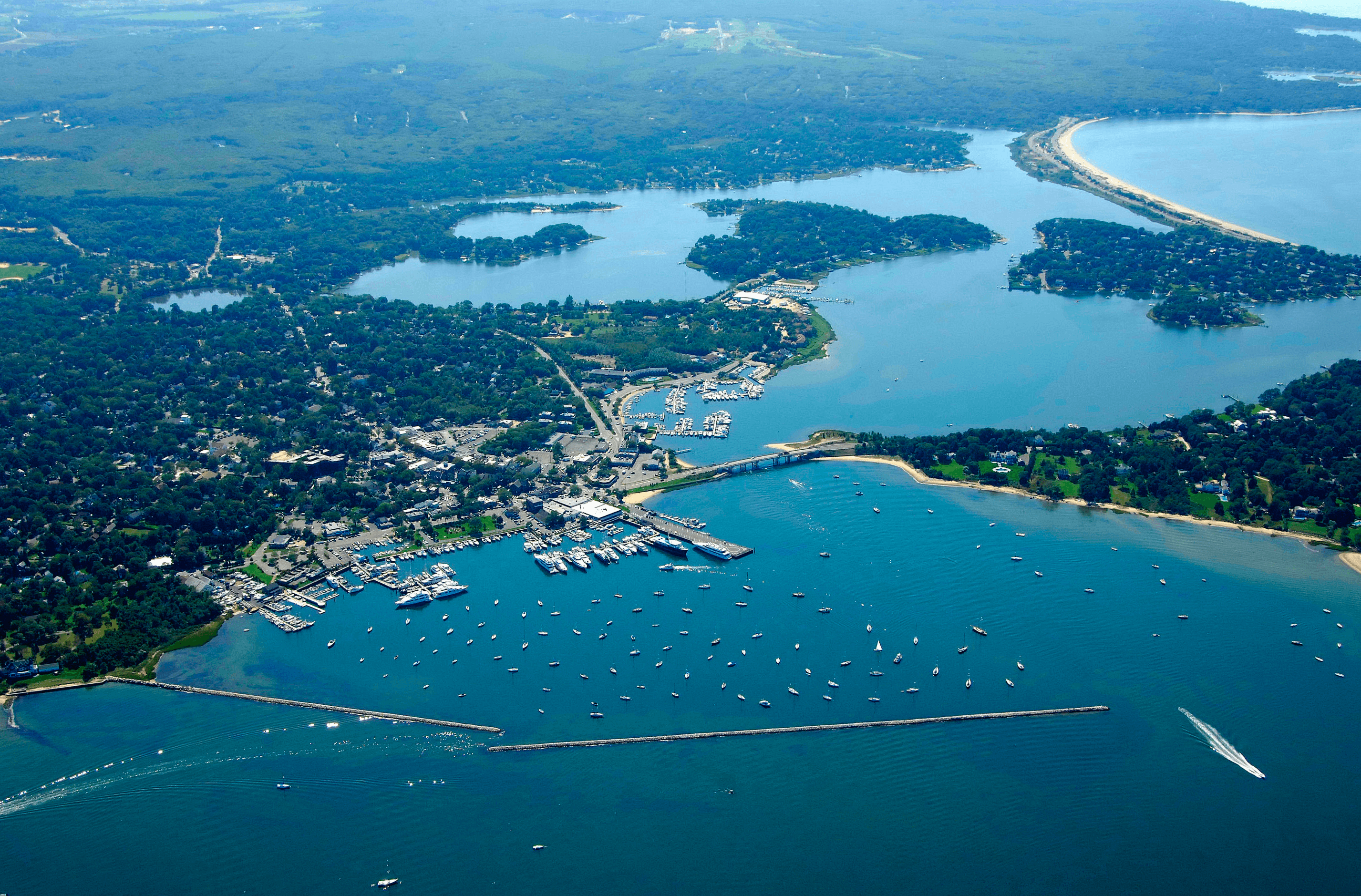
Rebuilding Historic Reefs in Sag Harbor
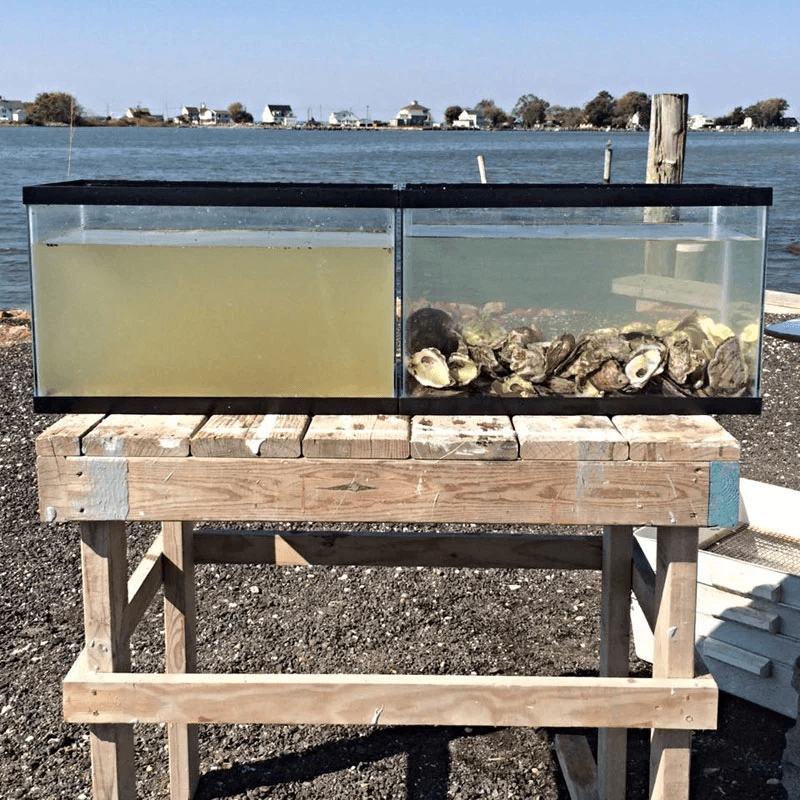
Excess nitrogen from increasing population density and outdated legacy systems have kicked the ladder out from natural defenses. We rebuild natural oyster reefs using recycled shell and hatchery stock to filter pollutants, restore habitat, restore natural defenses.Each adult oyster filters ≈ 50 gallons of water per day.
- Reef sections vacuum algal blooms before they blow up and reefs stabilize shorelines.
- Cost per reef module: $25 K (includes materials + monitoring).
Wilderness River Salmon Revival
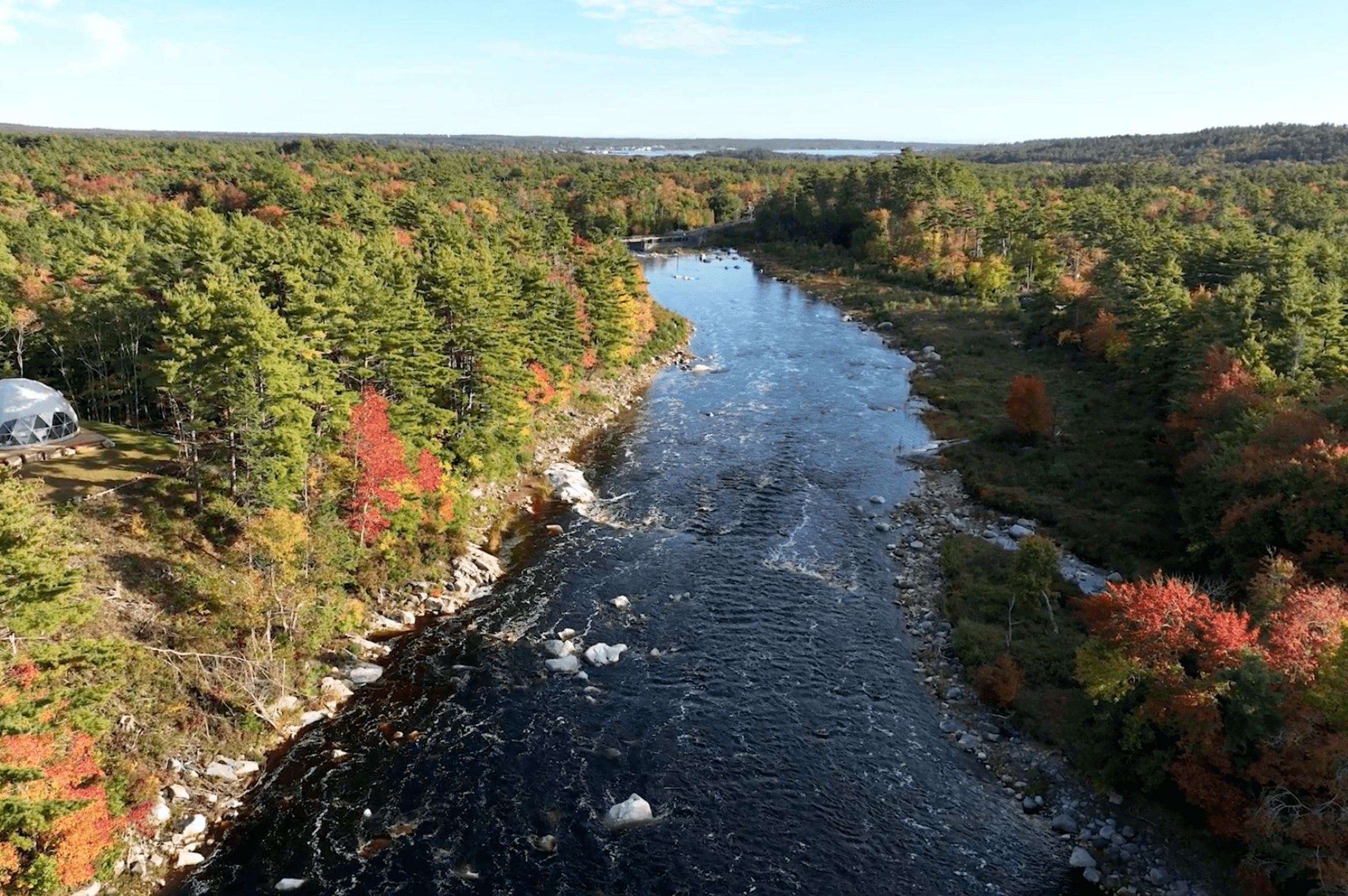
Bringing Atlantic Salmon back to their ancestral home river, north of Sag Harbor.
- Decades of acid rain from cities in the northeast lowered river pH, blocking wild salmon reproduction. We use crushed agricultural lime and lobster-shell crush buffering to restore water chemistry and salmon spawning habitat. Liming raises pH and acid-neutralizing capacity (ANC). This also brings back their frisky, as they know their eggshells have increased viability & survival rates.
- We will be using Remote Incubator Systems, (protecting redds & eggs), potentially increasing egg viability from 8 to 80%.
- Salmon runs recover within five years in similar programs, and we expect to move the needle in year one with your help.
- Phase I feasibility + baseline chemistry:
Phase II continuous doser installation:
December 2025 UPDATE-
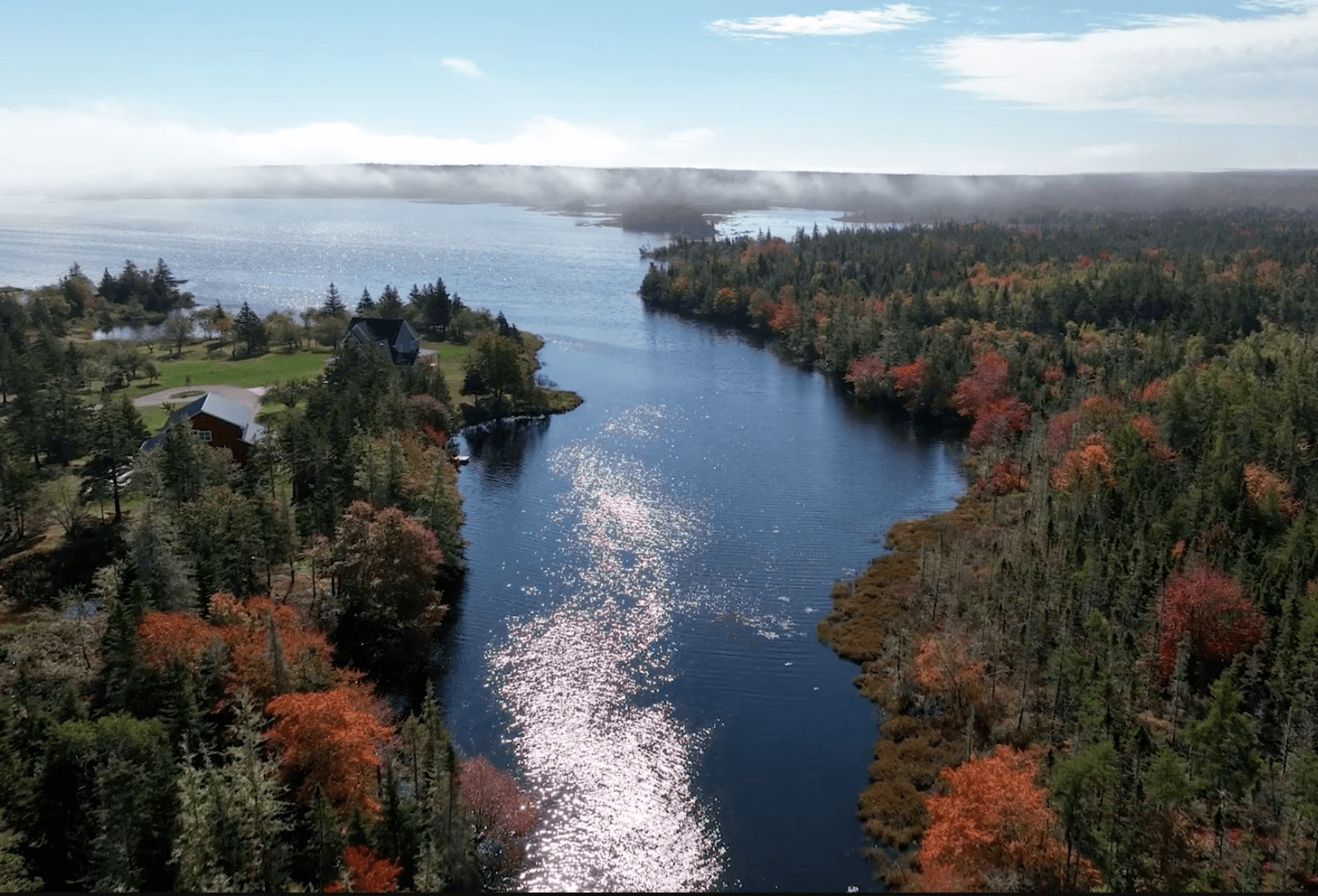
The Wilderness River Initiative is focused first and foremost on restoring the conditions required for Atlantic salmon to return to what we are now calling Wilderness River, as it's close by and we anticipate the science strategy and the fieldworks could have application to any river that has an extirpated population of anadromous fish. Decades of acidification disrupted natural buffering processes, altered water chemistry, and weakened biological function across the watershed. In this project for TheSHOclub.org, we have adopted a river in need next to similar rivers who have sponsees. This river was home to native, wild Atlantic Salmon as recently as 1975. This particular riverine watershed does begin in The Nova Scotia Biosphere; which 1.5 acres of rare wilderness about 350 miles north of Sag Harbor, NY where TheSHOclub.org was founded. We believe we are the only sponsor of this effort, however, the stakeholder list is global as a template.
- The science guides us, and when new studies guide us to fine tune the feasibility studies, we adapt accordingly. A new one was published in Nature Magazine which does just that; file:///Users/simonharrison/Downloads/s41467-025-65620-3.pdf
- Our approach is guided by a simple principle: the river decides how it processes alkalinity. In a living, moving river, biology and chemistry are inseparable.
- Biology before chemistry.
- River biofilms—microscopic communities living on riverbed materials—are not incidental. They are dominant biochemical interfaces that regulate carbon chemistry, mineral dissolution, nutrient exchange, and localized pH buffering. Because these processes shape how added materials behave over time, we prioritize restoration methods that support—not disrupt—the river’s natural function.
- pH buffering, carefully and conservatively
- Raising pH is necessary for salmon habitat recovery, but how pH is buffered matters. Traditional approaches using large limestone can become less effective over time as mineral surfaces are coated by biological and chemical films. Where appropriate and permitted, we are evaluating biologically compatible buffering approaches, including local shell-based materials that integrate more naturally with aquatic systems.
- We favor methods that are:
- incremental and reversible
- distributed rather than concentrated
- designed to avoid abrupt pH shifts
- paired with monitoring and adaptive management
- Carbon cycling: a responsible co-benefit, not the goal
- Our mission is salmon habitat restoration. At the same time, healthy rivers play an important role in carbon cycling—moving, storing, and transforming carbon through biological and chemical pathways. We are careful and conservative in how we speak about carbon outcomes. Even though they qualify as 'yets', our priorities are stacked in order.
- We do not claim guaranteed sequestration, although we believe it will appear before and after our initiatives sunset;
- We do not market speculative carbon credits, although be believe these inititiatives have subsequently rhymed with carbon capture.
- We keep carbon cycling as a collateral benefit of restoring habitat function, until we prove otherwise.
- Local circular economy- Awareness in stakeholder populations, in water cycles of domestic, sweetwater & tidal reach waters
- Whenever possible, we aim to support a local, organic, circular economy by repurposing shellfish shells that would otherwise be discarded. This reduces transport impacts and aligns restoration inputs with regional ecological cycles. Biology before chemistry.
- Next steps: Continued site assessment, careful material selection, monitoring design, and regulator coordination to ensure this work remains environmentally conservative and science-led.
- Support this work: Fundraising directly supports feasibility studies, field testing, water chemistry monitoring, permitting, and implementation.
- Our work considers input from seasoned fishermen, dam & bridge engineers, farmers, forestry folk and even astrophysicists.
Restore the Salmon’s River →
Food-Lawning & Bayscaping
Turning Lawns into Living Landscapes
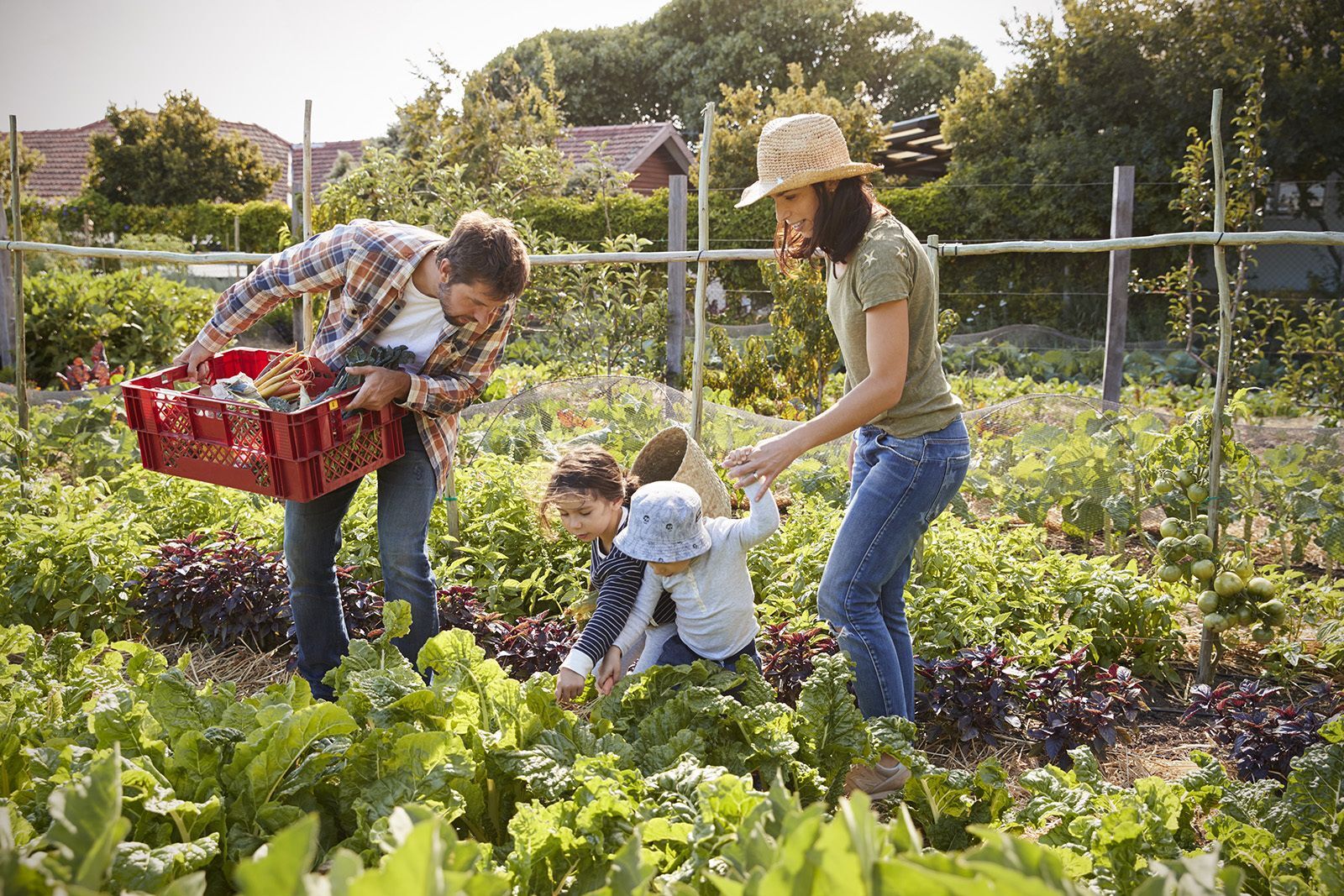
Traditional lawns consume chemicals and pollute bays. We help homeowners and schools convert turf into food gardens and native plantings that absorb carbon and feed pollinators. This includes apple trees, and the best time to plant one is ten years ago.
Impact Facts (Bulleted):
- 1 acre converted = ≈ 5 tons CO₂ sequestered annually.
- Nutrient runoff cut ≈ 70 %.
- Starter micro-grant per site: $2 K.
Measured Results, Real Change
One Harbor, one river, one lawn to start. These initiatives are well considered as keystone and indicator species, each silos strongly, and weave together at any pace. Together they can turn the tide, and keep going. The carbon capture benefits magnify results.
All initiatives follow transparent accounting and third-party scientific review. Together they form a scalable model for clean-water restoration and carbon capture across coastal communities.